How Gaming Communities Are Redefining Fashion Through Avatar Customization
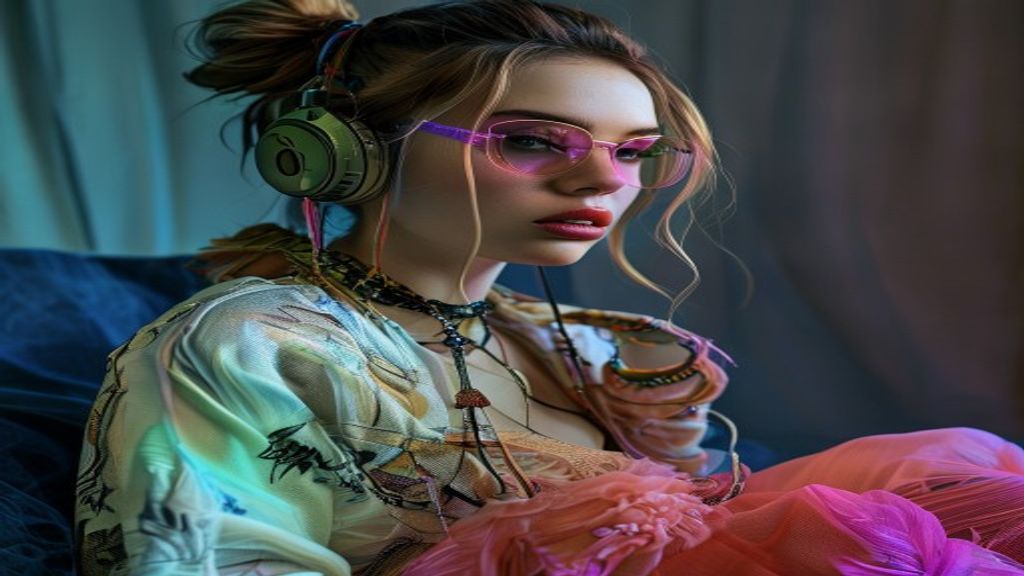
In the digital age, gaming communities are not only shaping entertainment but also redefining fashion through avatar customization. The concept of virtual clothing and accessories is no longer confined to traditional video games; it has expanded into a vibrant ecosystem where players express their identities, creativity, and social status within immersive digital worlds. This evolution is particularly evident in the rise of skin economies and in-game fashion drops, which mirror real-world trends while adding unique layers of interactivity and customization.
Skin economies, such as those seen in popular battle royale games, have become a significant aspect of gaming culture. These virtual marketplaces allow players to purchase and trade skins for their characters, often featuring elaborate designs that reflect the latest fashion trends or even futuristic concepts. The allure lies not just in aesthetics but also in the social dynamics these items create. Players can showcase their wealth and status through rare and exclusive skins, fostering a sense of community and competition among gamers who strive to be at the forefront of style.
In-game fashion drops are another phenomenon that blurs the lines between gaming and traditional fashion. Brands and designers are increasingly collaborating with game developers to release limited-edition collections within virtual environments. These drops often coincide with real-world events, such as seasonal changes or major holidays, ensuring a seamless integration of digital trends into everyday life. For instance, luxury brands have partnered with popular games to offer exclusive outfits that players can wear in-game and share on social media platforms, creating a bridge between the virtual world and physical reality.
The impact of avatar customization extends beyond mere aesthetics; it also influences how we perceive ourselves and interact with others online. Avatars serve as extensions of our personalities, allowing us to experiment with different styles and identities without the constraints of physical limitations. This freedom encourages creativity and self-expression, enabling players to explore various aspects of their identity in a safe and controlled environment. Moreover, the ability to customize avatars enhances player engagement by providing a sense of ownership and personalization that is often lacking in traditional gaming experiences.
Furthermore, the influence of gaming communities on fashion extends to the realm of social media and virtual reality (VR) platforms. As more people engage with these technologies, the line between online and offline identities becomes increasingly blurred. Social media influencers and celebrities are now leveraging gaming skins and avatar customization as part of their personal branding strategies, further cementing the connection between digital fashion and real-world trends. This convergence not only highlights the growing importance of virtual aesthetics but also underscores the potential for digital fashion to become a mainstream industry.
In conclusion, gaming communities are at the forefront of redefining fashion through avatar customization. From skin economies to in-game fashion drops, these digital innovations are reshaping how we perceive and interact with fashion in both virtual and real-world contexts. As technology continues to advance, the influence of gaming on fashion is likely to grow, offering new opportunities for creativity, self-expression, and social interaction.
Subscribe to Weightless Wardrobe to stay updated on the latest trends and developments in digital fashion.
Letters from readers.
Comments are welcomed and read by the team. Spam is discarded; everything else gets a thoughtful reply.