Digital Garments Take Center Stage on Social Media in 2026
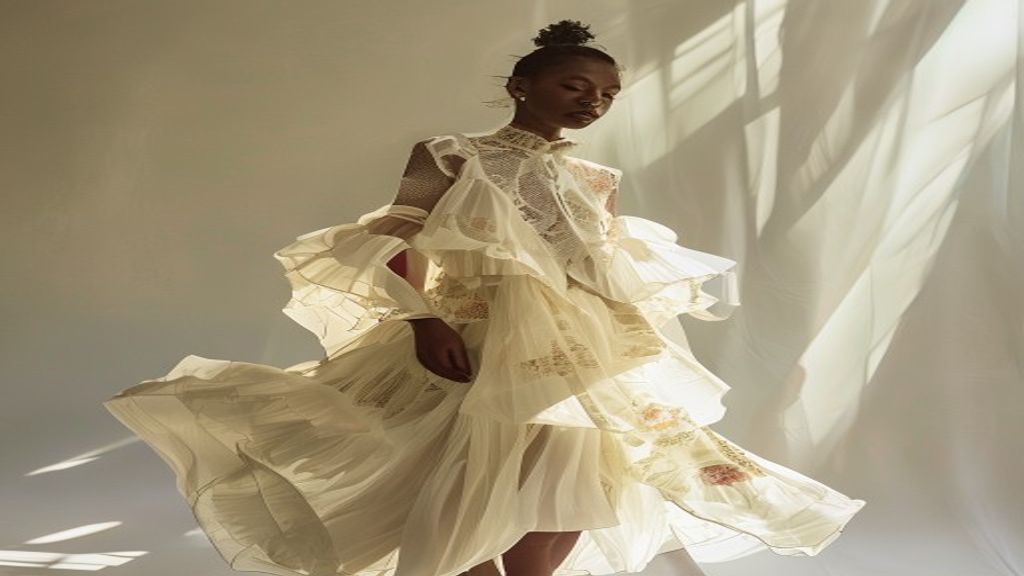
As we move deeper into 2026, the landscape of social media is witnessing a significant shift towards digital fashion. The trend of wearing virtual garments—often seen through augmented reality (AR) filters and 3D renderings—is no longer niche but has become mainstream. This evolution reflects a broader acceptance of digital fashion as an authentic form of self-expression.
One of the most striking developments this year is the integration of digital garments into everyday social media posts. Platforms like Instagram, Snapchat, and TikTok now offer users seamless ways to incorporate virtual clothing through AR filters. For instance, Snapchat launched a new feature allowing users to layer multiple digital outfits on their profile pictures, creating complex and visually engaging avatars that represent their unique sense of style.
TikTok has also seen an explosion in challenges centered around digital fashion. Creators are using hashtags like #DigitalDressUpChallenge, where participants showcase their creativity by dressing their virtual selves in elaborate ensembles. These trends not only highlight the versatility of digital fashion but also underscore its potential to democratize high-end fashion for a global audience.
Moreover, Instagram has become a hub for digital fashion exhibitions and collaborations between established designers and emerging talents. Brands are curating collections specifically designed for social media use, featuring garments that can be worn in AR environments or as profile pictures. These virtual collections often come with detailed descriptions of the materials and techniques used to create them, bridging the gap between physical and digital craftsmanship.
The rise of digital fashion is also influencing traditional fashion weeks. This year, several major brands have incorporated digital elements into their runway shows, showcasing how technology can enhance the storytelling behind a collection. For example, during Paris Fashion Week, one brand presented an interactive AR experience that allowed viewers to explore the collection in three dimensions, adding another layer of engagement and immersion.
Another notable trend is the use of digital fashion as a form of activism. Social media users are increasingly leveraging virtual garments to raise awareness about sustainability issues within the fashion industry. By wearing digital versions of outfits made from recycled materials or showcasing designs that highlight water conservation efforts, individuals are using their platforms to educate others on the environmental impact of fast fashion.
As these trends continue to evolve, they present both opportunities and challenges for designers in 2026. The ability to create visually stunning digital garments that resonate with social media audiences can open up new markets and revenue streams. However, it also requires designers to embrace a multidisciplinary approach, combining traditional design skills with an understanding of technology and social media trends.
Ultimately, the integration of digital fashion into social media reflects a broader cultural shift towards embracing virtual experiences as part of our daily lives. As this trend continues to grow, designers who can effectively navigate the intersection of technology and creativity will be well-positioned to thrive in this new era of fashion.
Subscribe to Weightless Wardrobe for more insights on how digital fashion is shaping the future of style.
Letters from readers.
Comments are welcomed and read by the team. Spam is discarded; everything else gets a thoughtful reply.