Digital Garments Dominating Social Media in 2026
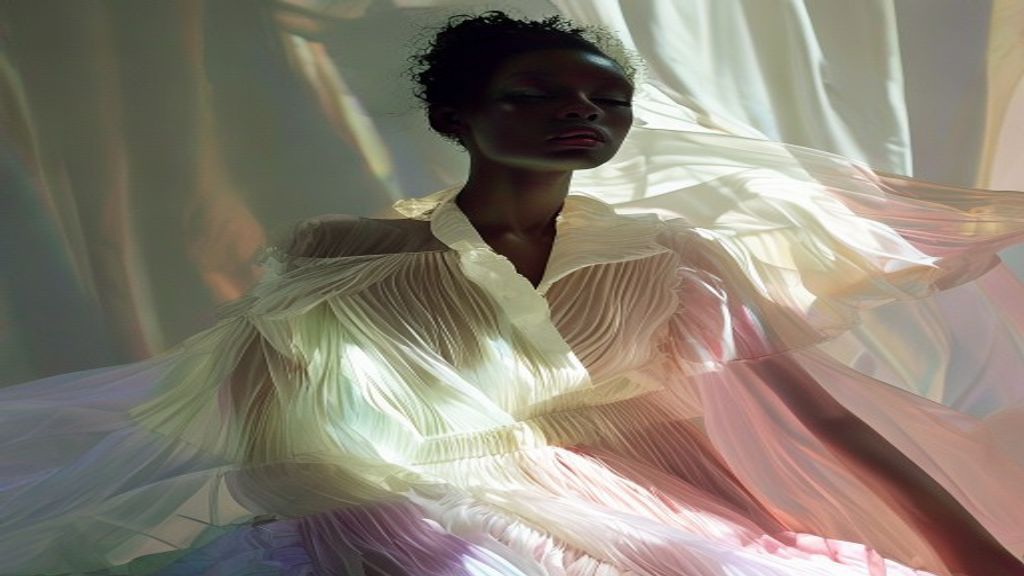
As we move into the latter half of the decade, digital fashion has solidified its presence across social media platforms, marking a significant shift from traditional physical garments. This year, users are increasingly integrating virtual attire into their online personas, reflecting a broader cultural acceptance and appreciation for the environmental benefits of digital fashion.
One of the key trends is the integration of augmented reality (AR) filters that allow users to virtually "try on" digital clothing in real-time. Platforms like Instagram and Snapchat have seen an explosion of these filters, enabling individuals to seamlessly blend their virtual wardrobe with everyday life scenarios. For instance, during major events such as music festivals or fashion weeks, users are seen experimenting with AR filters that feature unique designs from independent digital designers.
Another notable trend is the rise of social media challenges centered around digital fashion. These challenges encourage participants to create and share content using specific themes or collections. One popular example is a "Virtual Wardrobe Swap" challenge where users trade digital garments with friends, fostering community engagement while showcasing creativity. This not only increases visibility for emerging designers but also encourages followers to explore new styles and aesthetics.
Furthermore, influencers are leveraging digital fashion as a means of expression and storytelling. Many high-profile accounts have begun collaborating with digital fashion brands to create exclusive collections that resonate with their audience's values. These collaborations often come with behind-the-scenes content, offering fans insight into the creative process and fostering deeper connections between creators and followers.
The intersection of gaming and social media has also contributed significantly to the prominence of digital garments. Gamers are incorporating virtual clothing into their in-game avatars, blurring the lines between traditional gaming aesthetics and fashion-forward designs. This trend is particularly evident on platforms like Roblox and Fortnite, where users can purchase or create custom outfits that reflect their unique identities.
As digital fashion continues to evolve, it presents exciting opportunities for designers to reach a wider audience while maintaining a sustainable approach. By embracing these emerging trends, designers can tap into the growing community of environmentally conscious consumers who are eager to explore innovative ways of self-expression through virtual means.
To stay up-to-date with the latest developments in digital fashion and learn more about how you can participate in this evolving landscape, subscribe to our newsletter for exclusive insights and curated content.
Letters from readers.
Comments are welcomed and read by the team. Spam is discarded; everything else gets a thoughtful reply.